


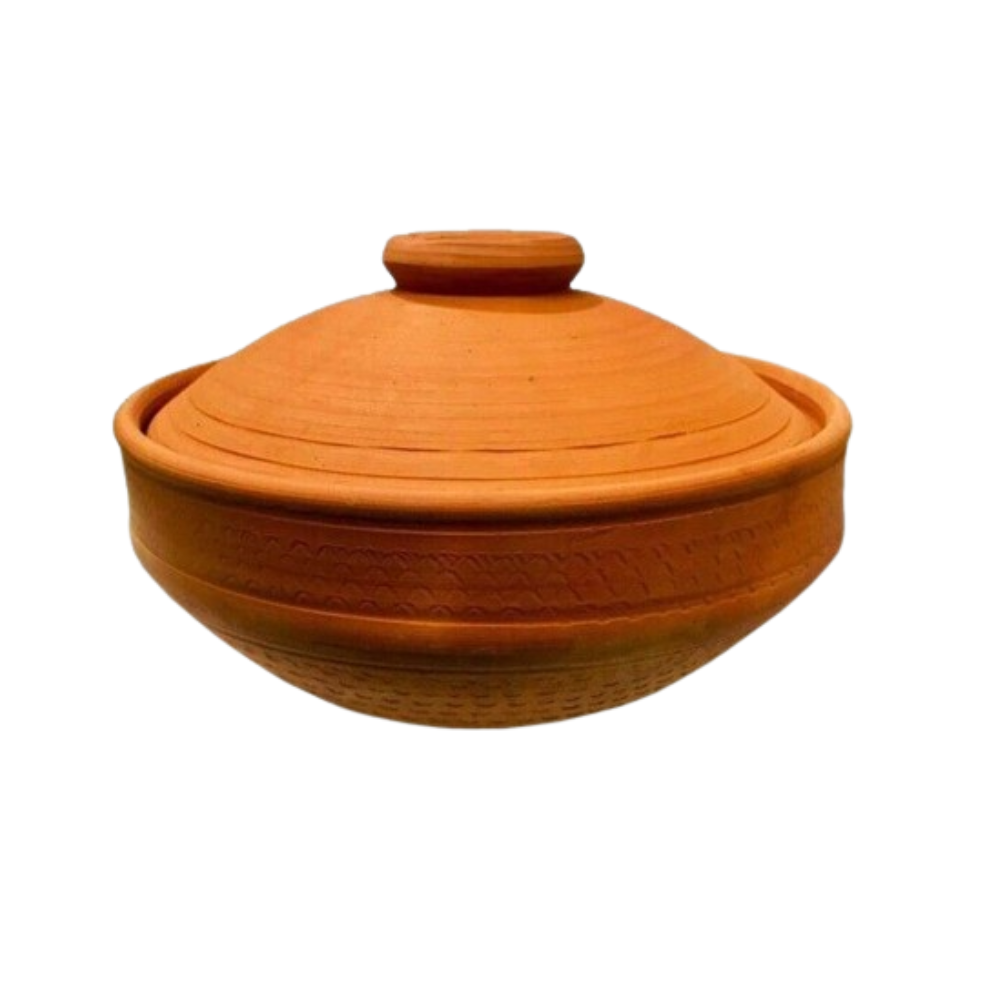
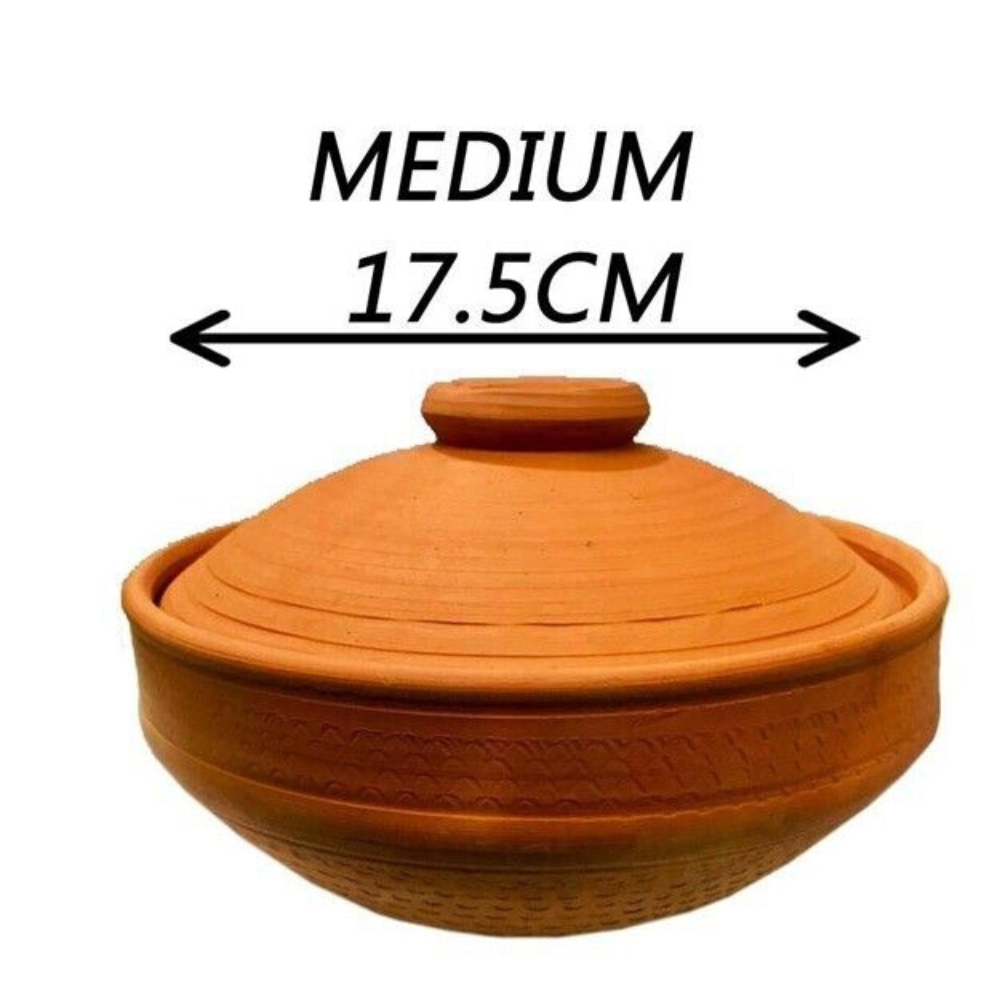
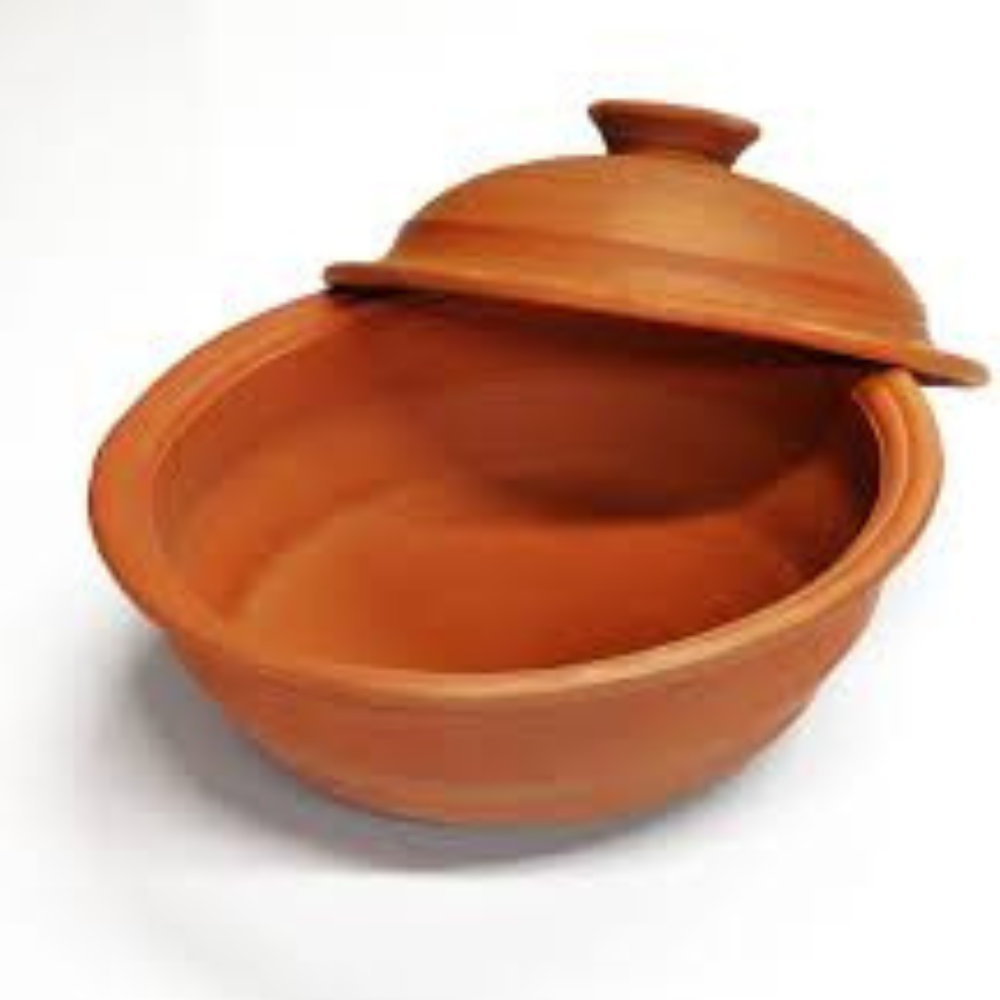
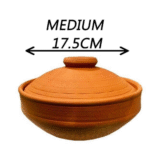
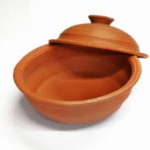

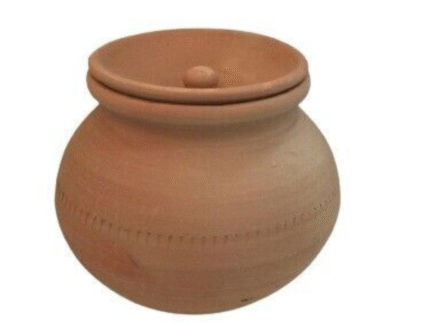
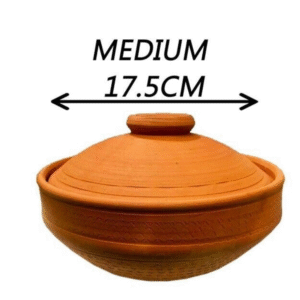
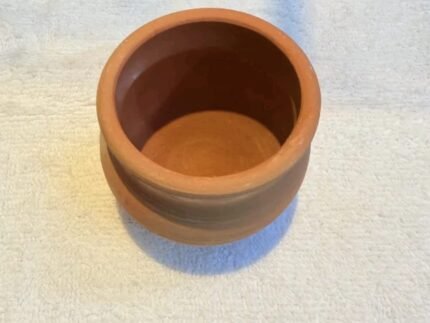
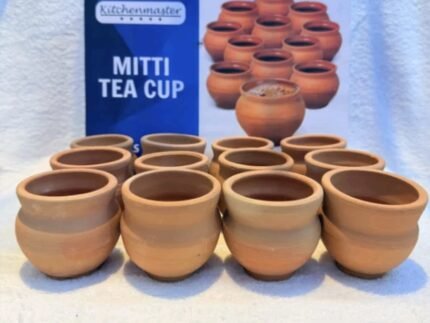
This earthen clay handi pots is traditional earthenware for matka chicken, egg biryani and slow-cooked dishes. Cooking in clay lets food take up calcium, phosphorus, iron, magnesium, sulphur and other elements, and clay is alkaline, so it interacts with acid in the dish and helps neutralise the pH balance.
Table of Contents
By cooking in clay pots you may get all the nutrients our bodies need—calcium, phosphorus, iron, magnesium, sulphur, and numerous other elements. Clay interacts with the acid in the meal to neutralise the pH balance because it is an alkaline material.
The benefit is that its heat conductivity is almost ideal for cooking food without overheating it. Because clay is a porous substance, moisture and heat may move through it freely. This facilitates even cooking of meat and veggies.
Features:
- Used On Gas Stove, Open Fire
- Easy Care
- With Lid
- Dishwasher save
Because the food’s moisture level is maintained, it stays juicy, tender, and fresher longer. Handcrafted item; minor variations in size and shape may occur. More sand put in clay for Extra Strength and Durability.
Why Choose This Earthen clay handi pots
The reason a earthen clay handi pots is still specified in traditional recipes is heat conductivity. Clay warms gently and almost ideally for cooking food through without overheating it, which is the opposite of a thin metal pan that sears whatever touches the base. For biryani and slow-cooked meat that difference is the whole dish, giving tender results and flavour that develops rather than scorches.
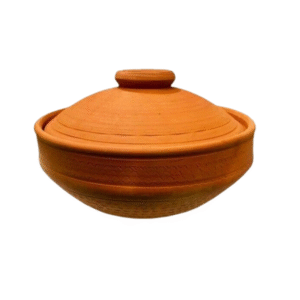
Earthen clay handi pots: Materials, Sizes and Features
Clay is also porous, so moisture circulates inside a earthen clay handi pots rather than escaping immediately as steam. That is what stops a biryani drying at the edges while the centre is still cooking, and it is why the lid matters as much as the pot. The combination of gentle heat and retained moisture is difficult to reproduce in any other material.
Caring for Your Earthen clay handi pots
Caring for a earthen clay handi pots needs slightly more thought than metal. Season a new pot before first use by soaking it in water and letting it dry, then always heat it gradually. Wash without harsh detergent, because porous clay absorbs it and will pass the taste into the next dish, and dry it completely before storing so it does not hold damp.
Cooking Well in Earthen Clay
Getting good results from a earthen clay handi pots comes down to patience with heat. Start on a low flame and let the pot warm through gradually rather than putting it straight onto a high burner, because sudden temperature change is what cracks clay. Once hot, it holds and spreads heat on its own, so keep the flame moderate. Because the lid traps steam, dishes usually need less added liquid than they would in metal, and lifting the lid repeatedly releases exactly the moisture that keeps the food tender.
Earthen clay handi pots: Frequently Asked Questions
What can I cook in it?
It suits matka chicken, egg biryani and slow-cooked dishes where gentle, even heat gives the best results.
Why cook in clay?
Clay has near-ideal heat conductivity for cooking without overheating, and being alkaline it helps neutralise the pH of the dish.
Does it come with a lid?
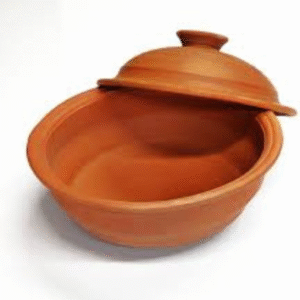
Yes, this earthen clay handi pots comes with a lid, which keeps moisture circulating through slow cooking.
How do I look after it?
Season it before first use, always heat it gradually, and avoid harsh detergents which porous clay absorbs.
More Earthen clay handi pots Options
See the full clay dishes range, or browse all cookware. For advice on cooking food thoroughly and safely at home, see the Food Standards Agency home food safety guidance.


Reviews
There are no reviews yet.