


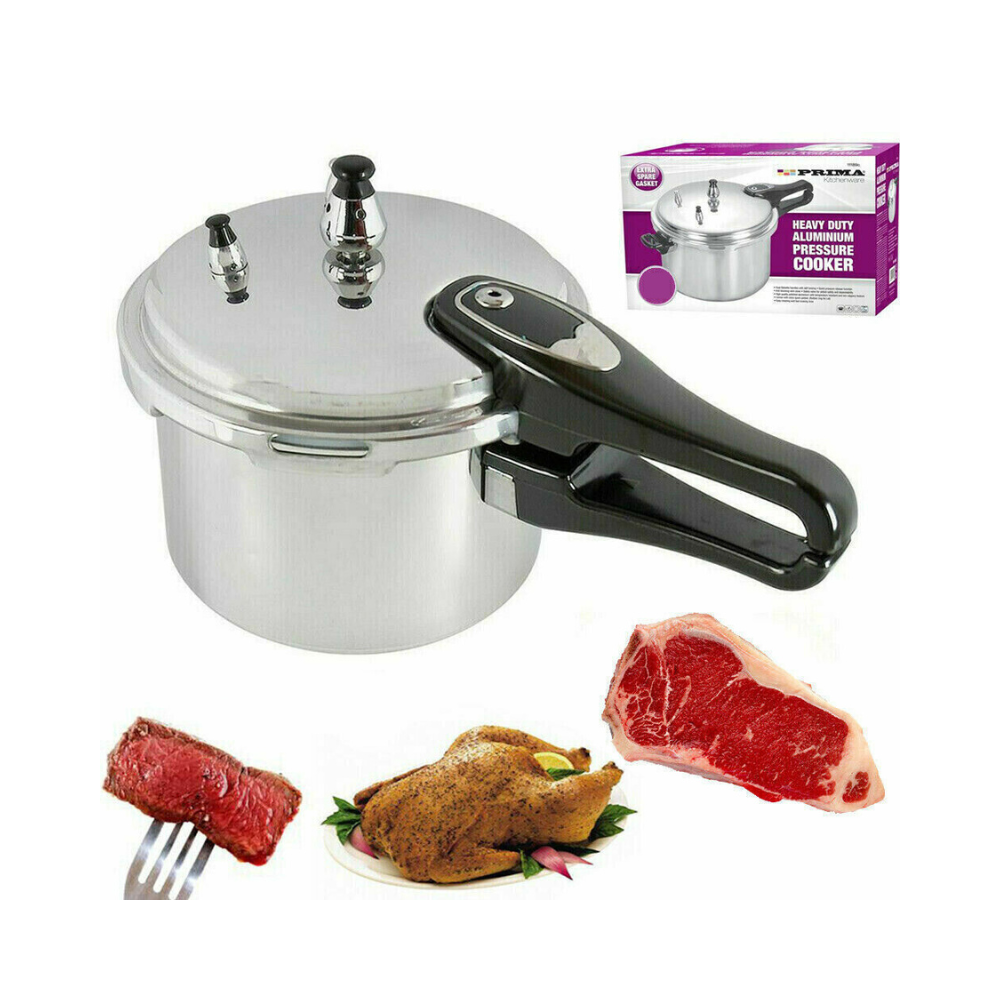
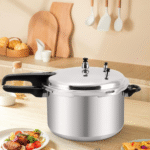
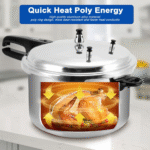
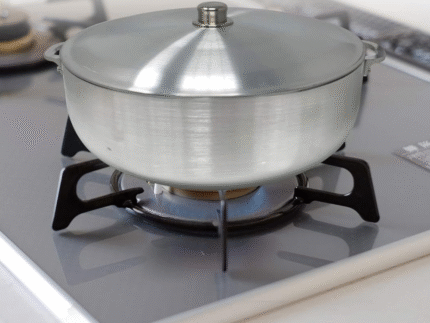
This aluminium pressure cooker cooks under pressure, which raises the boiling point inside the pot above 100C and cuts cooking times substantially compared with an open pan. That is the whole reason a pressure cooker earns its place: tough cuts, pulses and dried beans that would otherwise take hours come out tender in a fraction of the time, and the sealed pot keeps flavour in rather than boiling it off into the kitchen.
Table of Contents
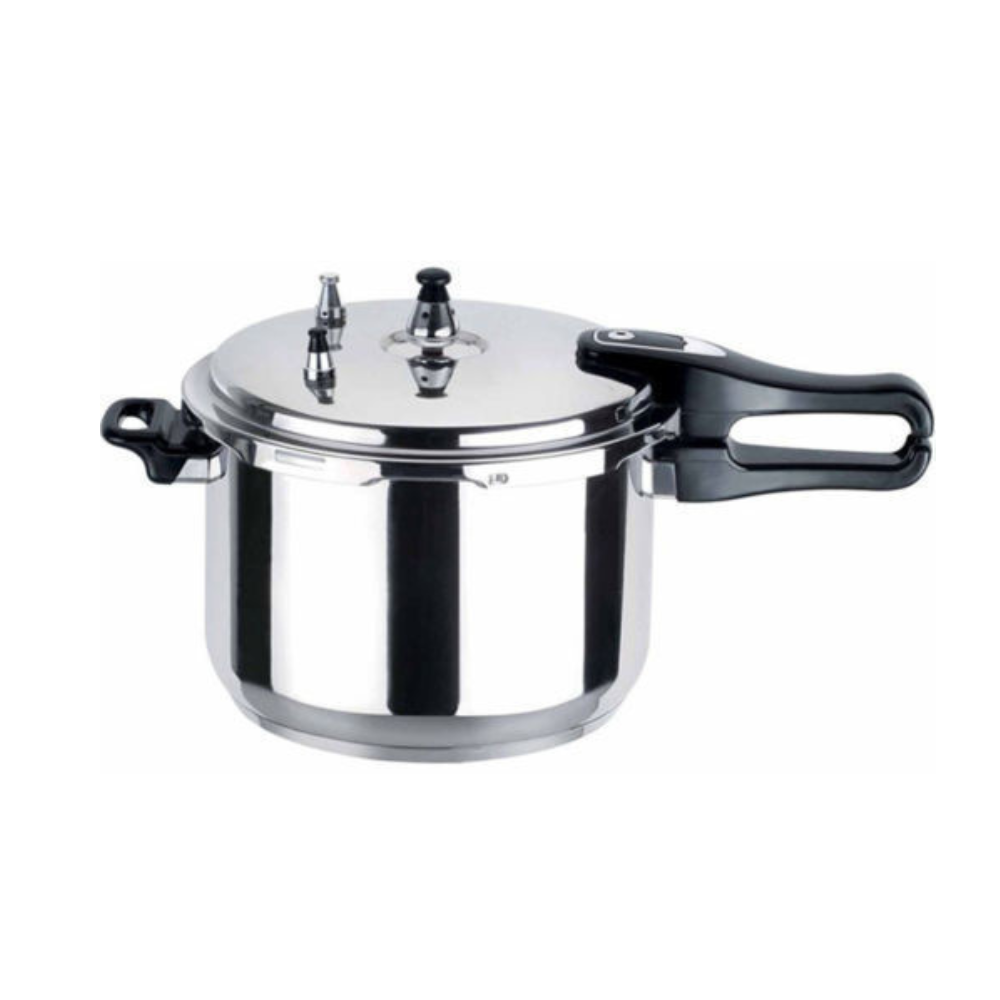
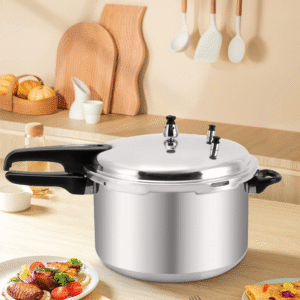
Dual handle Aluminium pressure cooker, kitchen catering cooker, steamer pot, 3L, 5L, 7L, 9L, 11L, and 13L.
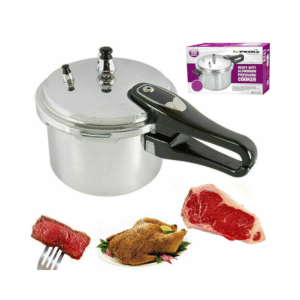
Cooking food quickly and retaining flavour is possible with the Prima Heavy Duty Stainless Steel Pressure Cooker, which has a self-closing design.
FEATURES
- Perfect for gas, electric and other stoves.
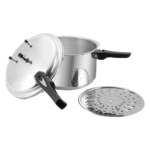
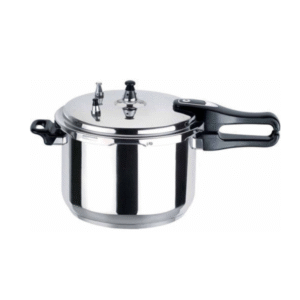
- With two Bakelite handles and a quick pressure release function, the Prima Pressure Cooker is made.
- available in 3 L/ 5L/ 7L/ 9L/ 11L/ 13L
- extra safety and dependability with safety valves.
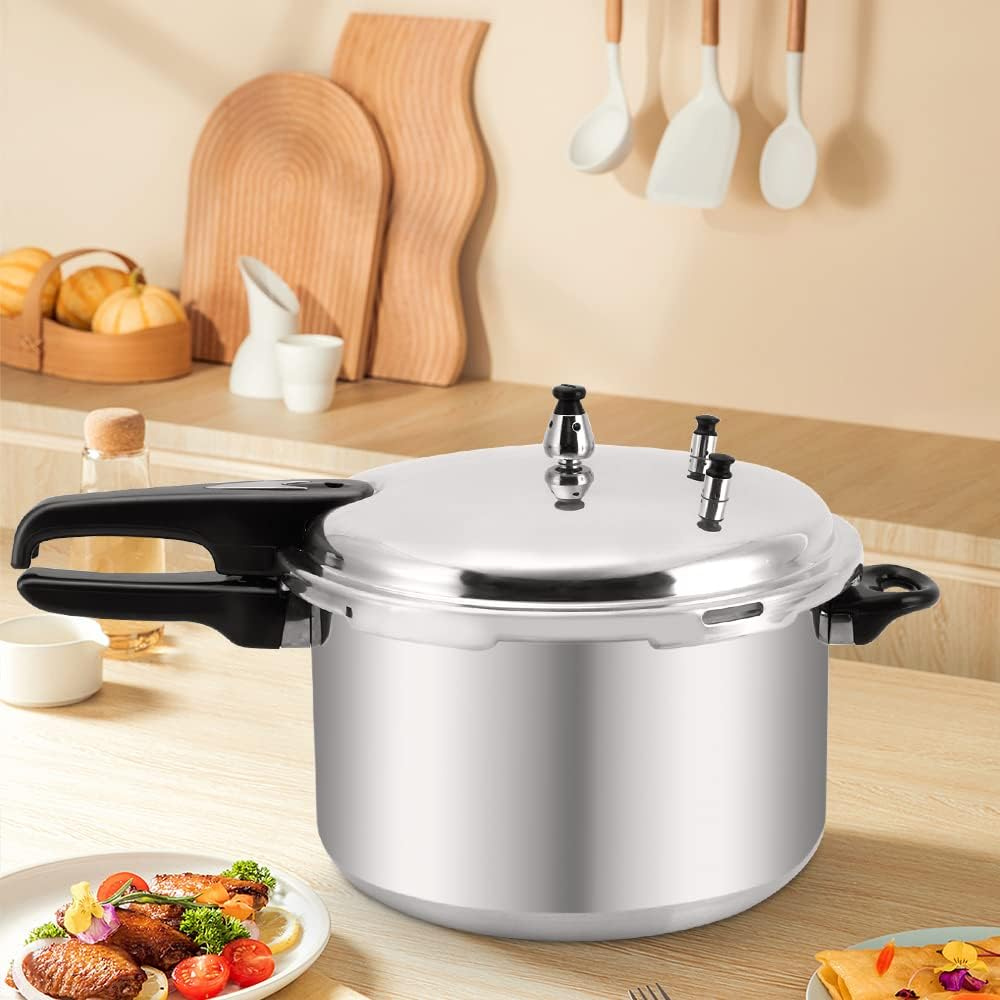
- Dual handles ensure safe handling and transportation.
- aluminium structure that is lightweight, strong, and simple to clean.
Why Choose This Aluminium pressure cooker
The reason a aluminium pressure cooker stays in so many kitchens is time and fuel. Cooking under pressure gets a stew, a dal or a joint done far faster than simmering, and less time on the hob means less energy used for the same meal. It also holds moisture and aroma inside the sealed pot rather than letting them escape, so dishes finish more concentrated in flavour than the same recipe cooked open.
Aluminium pressure cooker: Materials, Sizes and Features
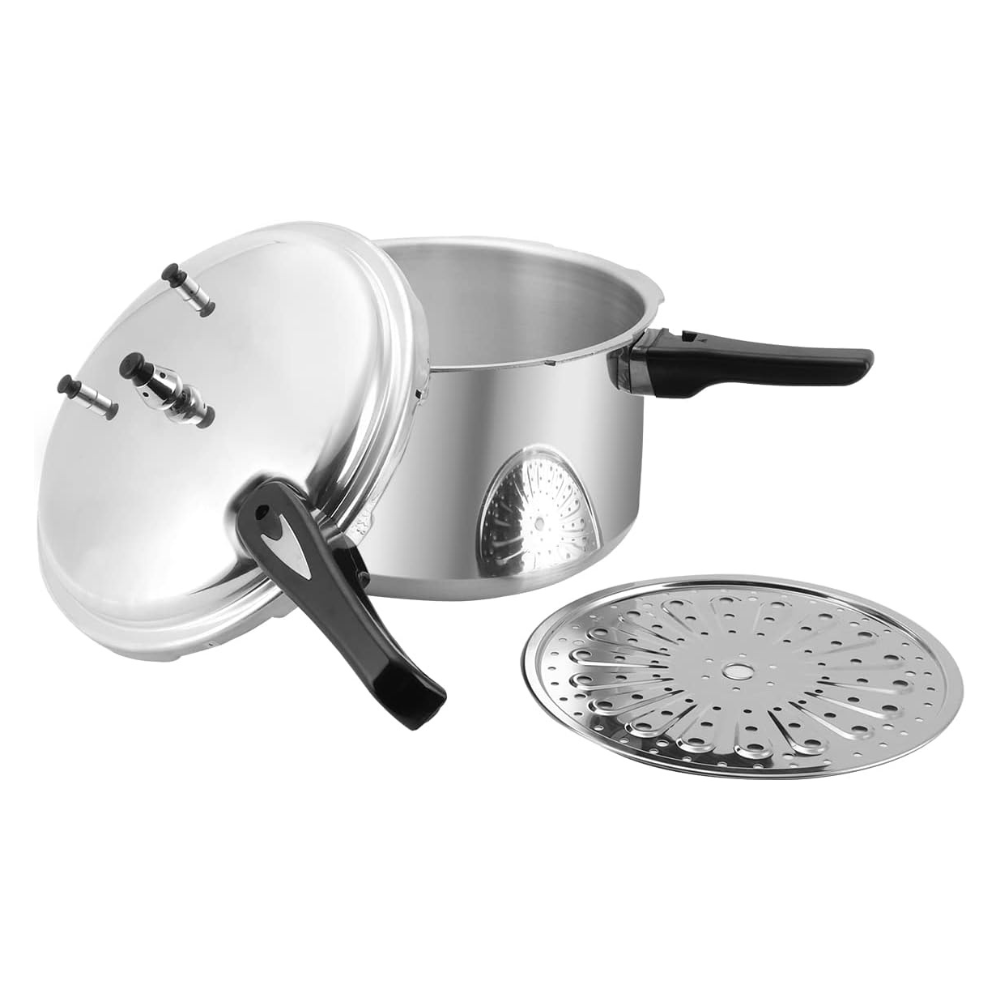
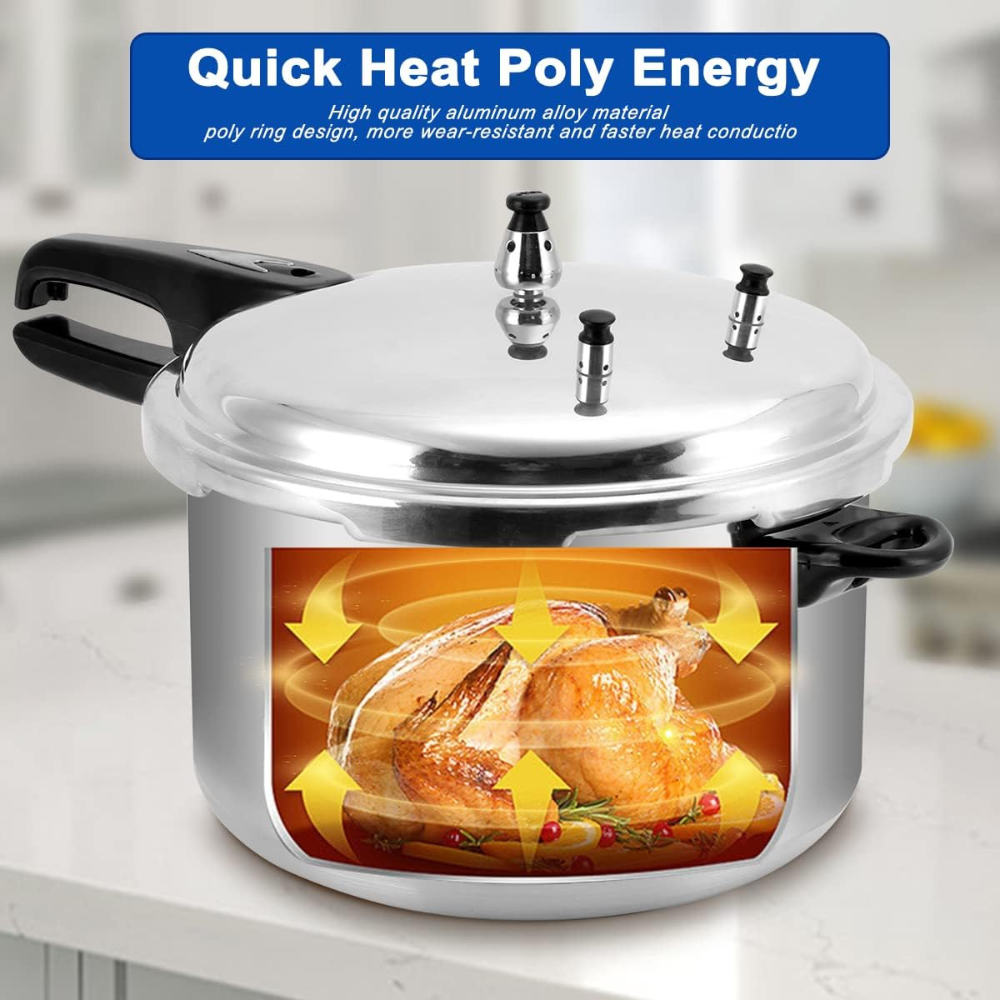
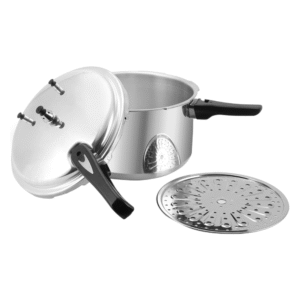
The build of this aluminium pressure cooker matters as much as the capacity. Aluminium is used because it is light enough to lift comfortably when full and conducts heat quickly and evenly, so the pot comes up to pressure without a long wait. Dual handles let you carry it steadily with both hands rather than balancing weight on one wrist, which is the sensible way to move a full, hot pot. The safety valve and the pressure regulator handle the working pressure automatically.
Caring for Your Aluminium pressure cooker
Looking after a aluminium pressure cooker is mostly about the seal and the vent. Wash the gasket separately by hand after each use and let it dry fully before refitting it, as trapped food or grease on the sealing ring is the usual reason a cooker stops holding pressure. Keep the vent pipe clear, check the gasket for cracks or hardening and replace it when it stops sealing cleanly. Store the cooker with the lid resting upside down on the pot rather than sealed shut, so the gasket is not compressed for months on end.
Using a Pressure Cooker Safely
A aluminium pressure cooker is safe when it is used properly and treated with respect. Never fill it more than two-thirds full, and no more than half full for anything that foams or expands such as rice, pasta or pulses, because the vent needs clear space above the food. Check that the vent and the safety valve are clear every single time before you bring it up to pressure. Do not attempt to force the lid: the design only allows it to open once the pressure inside has dropped, and that interlock is doing its job when it resists you.
Aluminium pressure cooker: Frequently Asked Questions
What sizes are available?
This range covers a spread of capacities, so pick the size against how many people you usually cook for. The stated capacity is the total volume, not the safe fill level.
How full can I fill it?
Two-thirds full at most, and no more than half full for foods that foam or expand such as rice, pulses and pasta.
What hobs can I use it on?
It is suitable for gas, electric and other standard hobs.
How do I open it after cooking?
Release the pressure first and wait. The lid is designed not to open until the internal pressure has dropped, which is a deliberate safety feature.
What maintenance does it need?
Clean the gasket and keep the vent and safety valve clear after every use, and replace the gasket when it hardens or stops sealing.
More Aluminium pressure cooker Options
See the full pressure cooker range for other capacities, or browse all cookware. For guidance on safe cooking temperatures and reheating food properly, see the Food Standards Agency advice on cooking food safely.


Reviews
There are no reviews yet.