


Non Stick Frying Pan, Die-Cast with Granite-Effect Coating
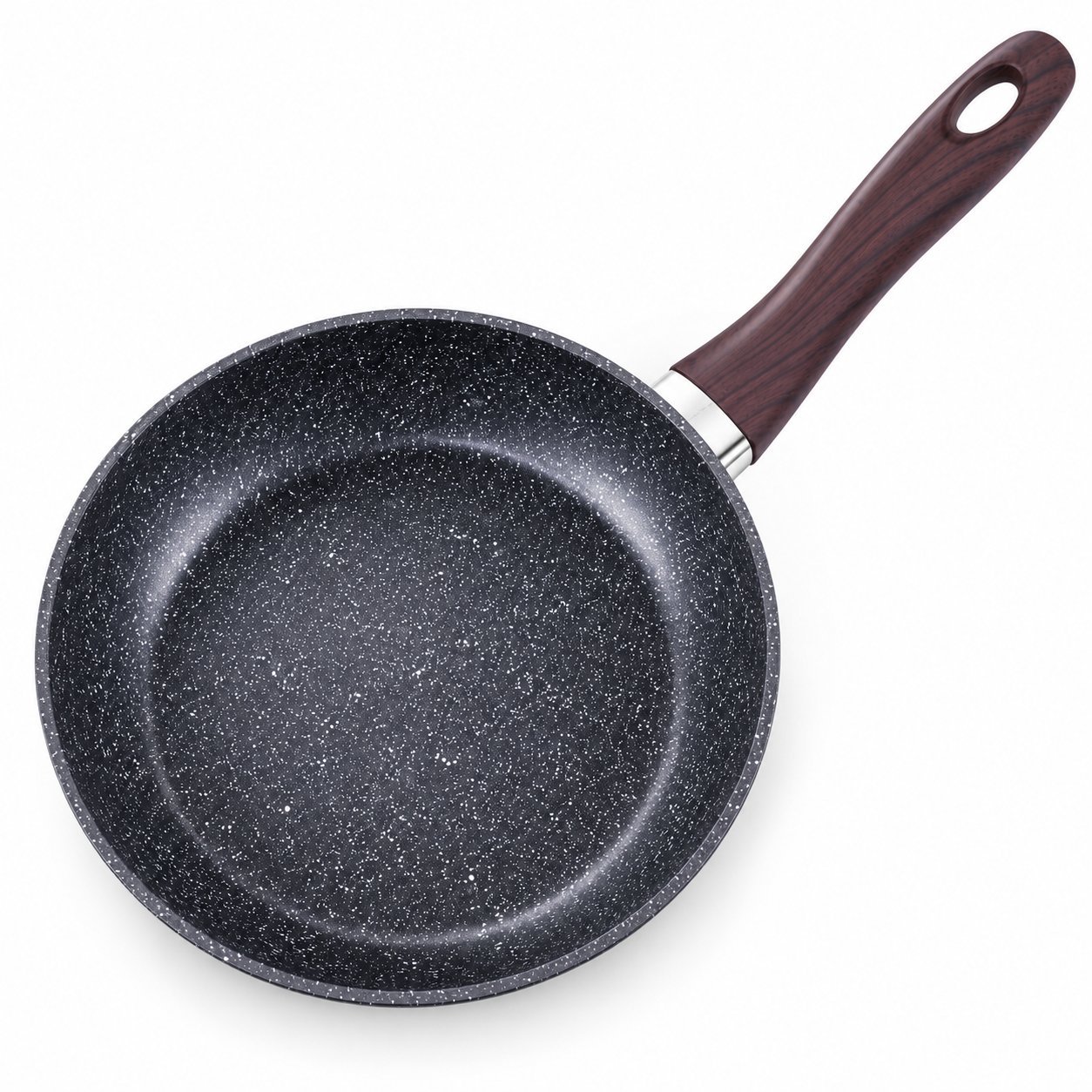
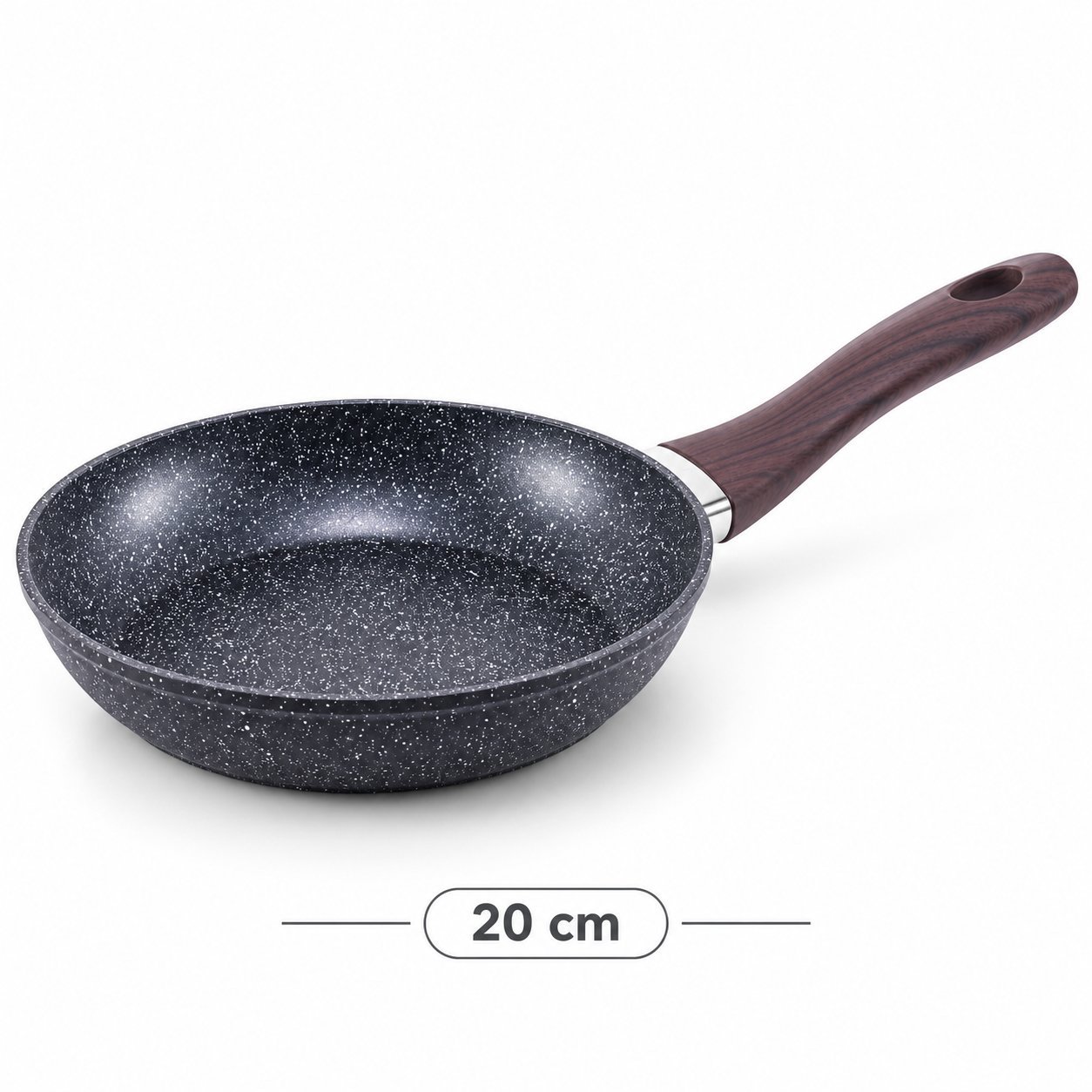
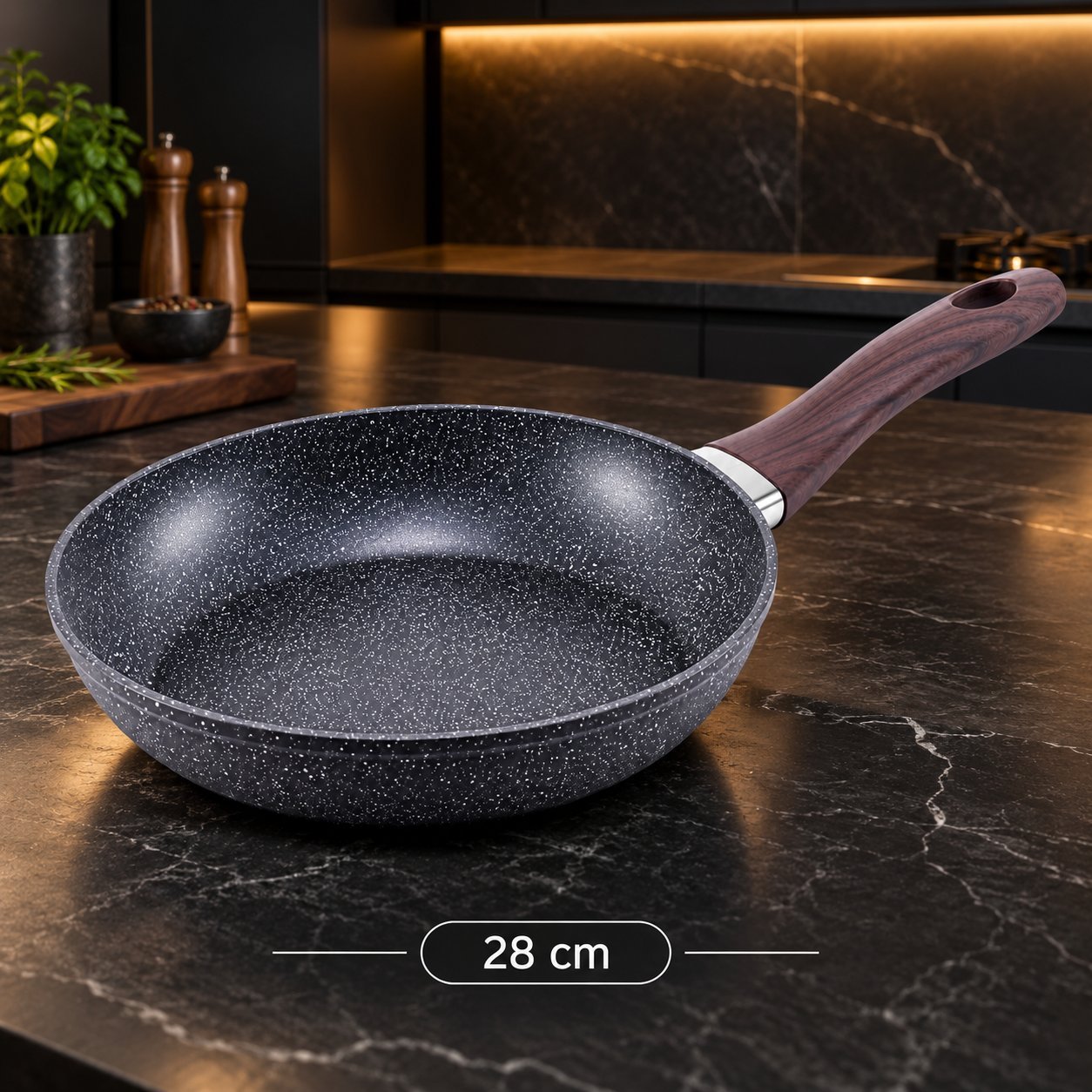
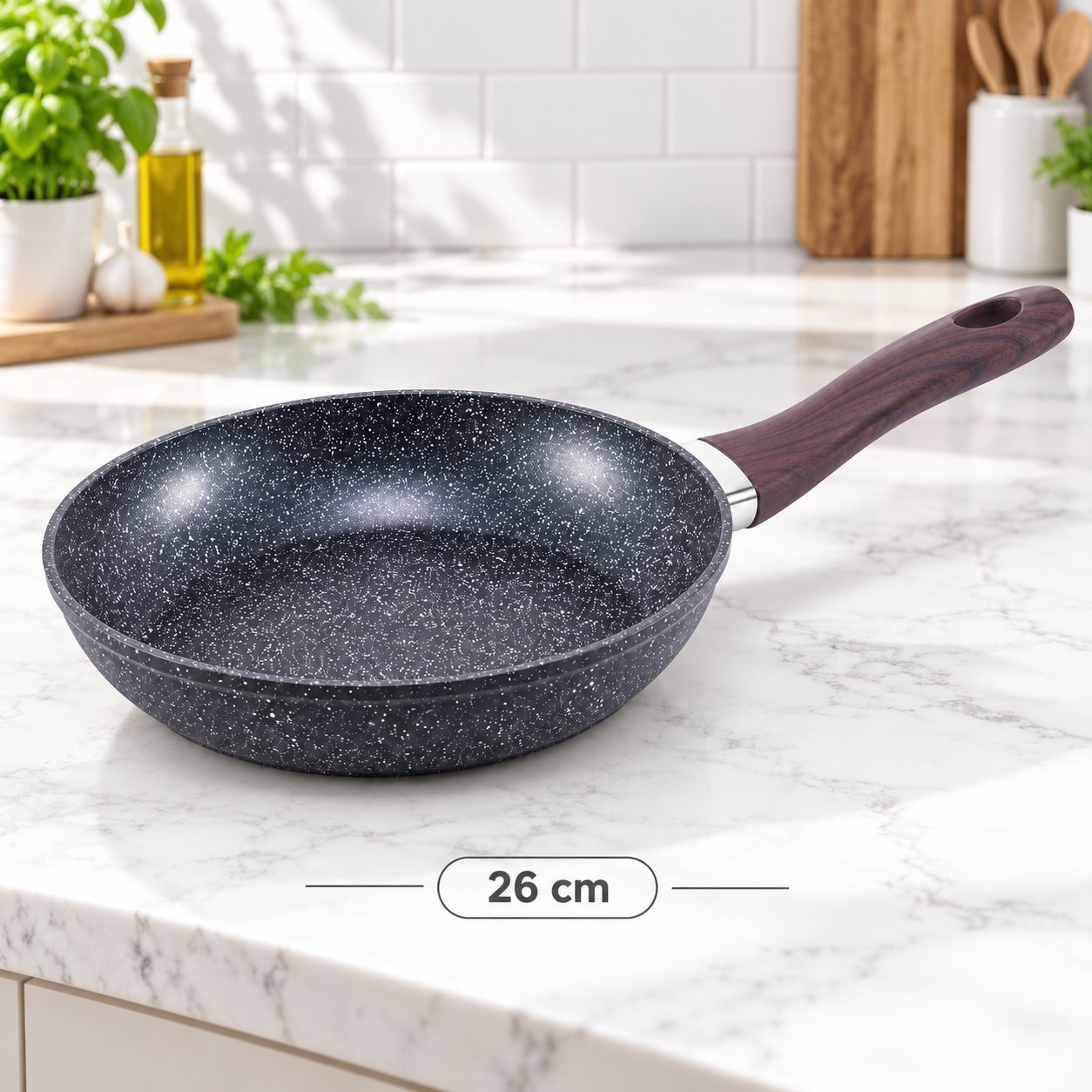
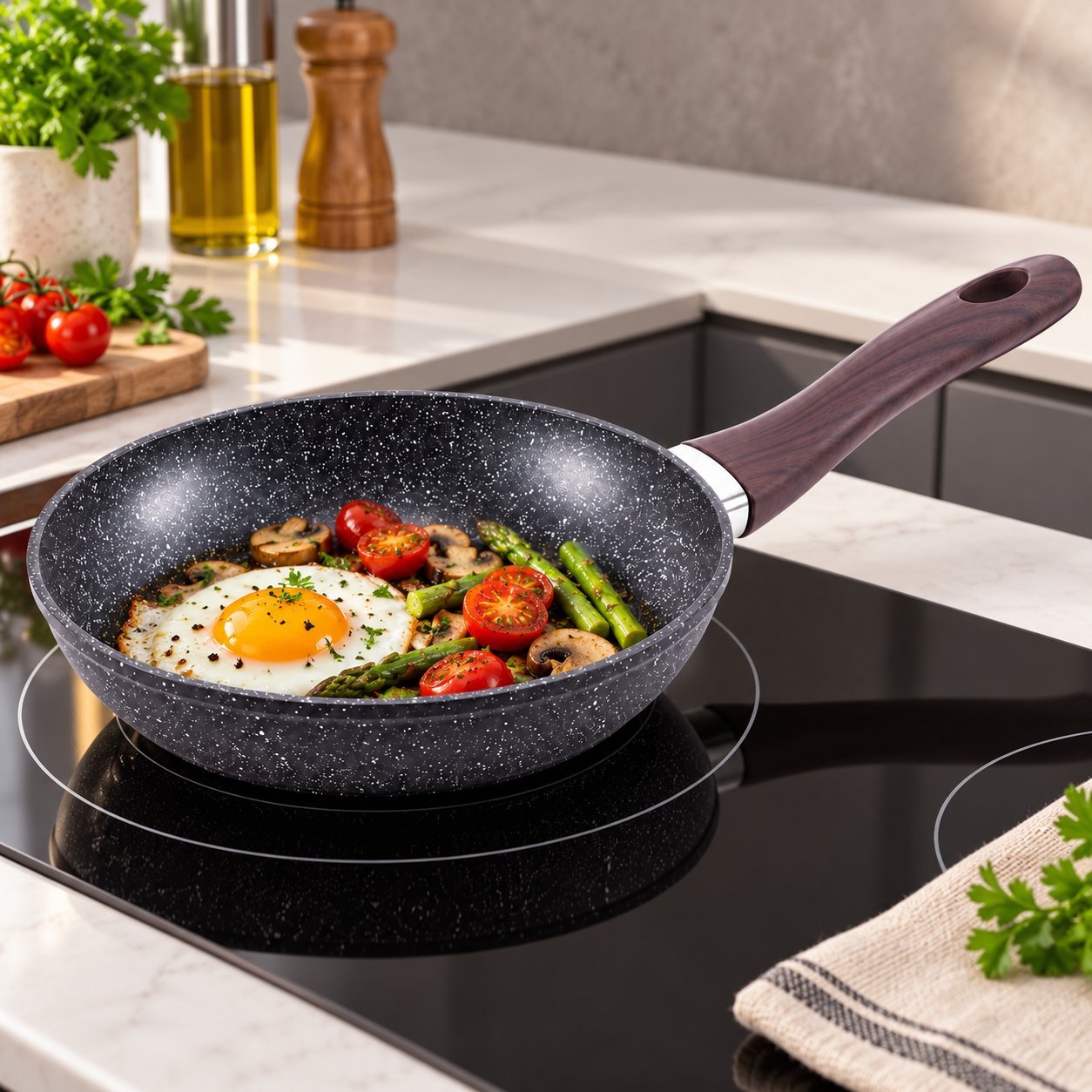
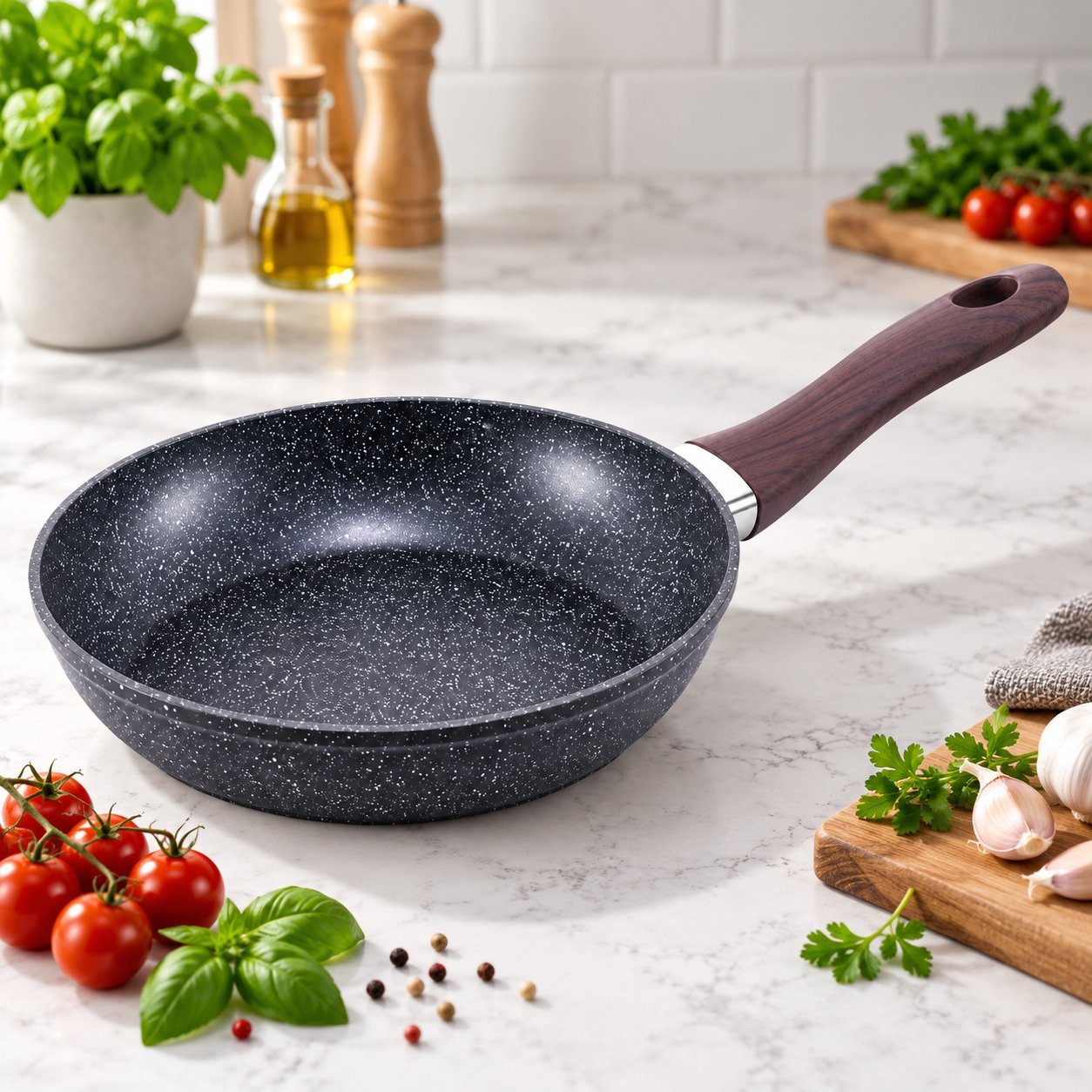
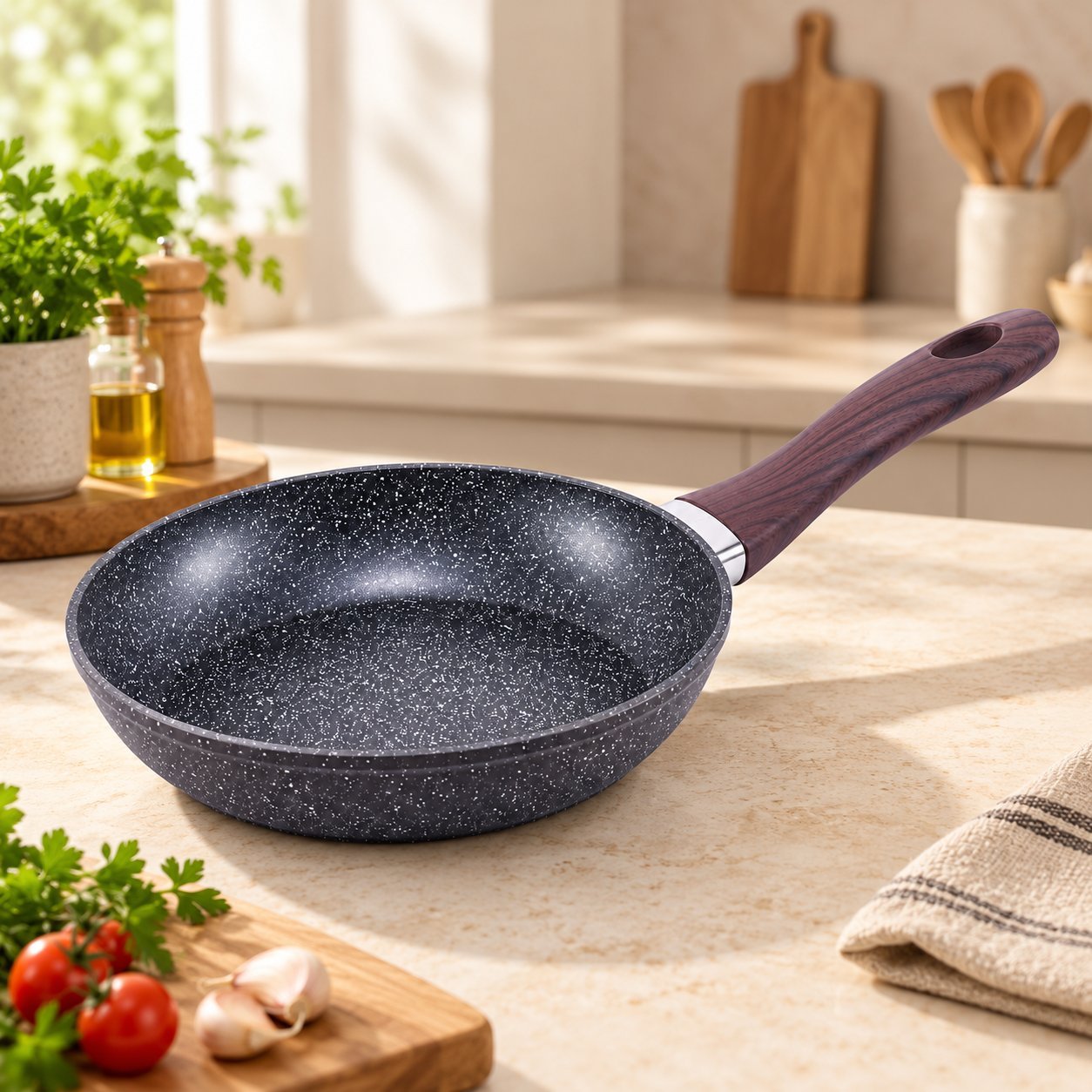
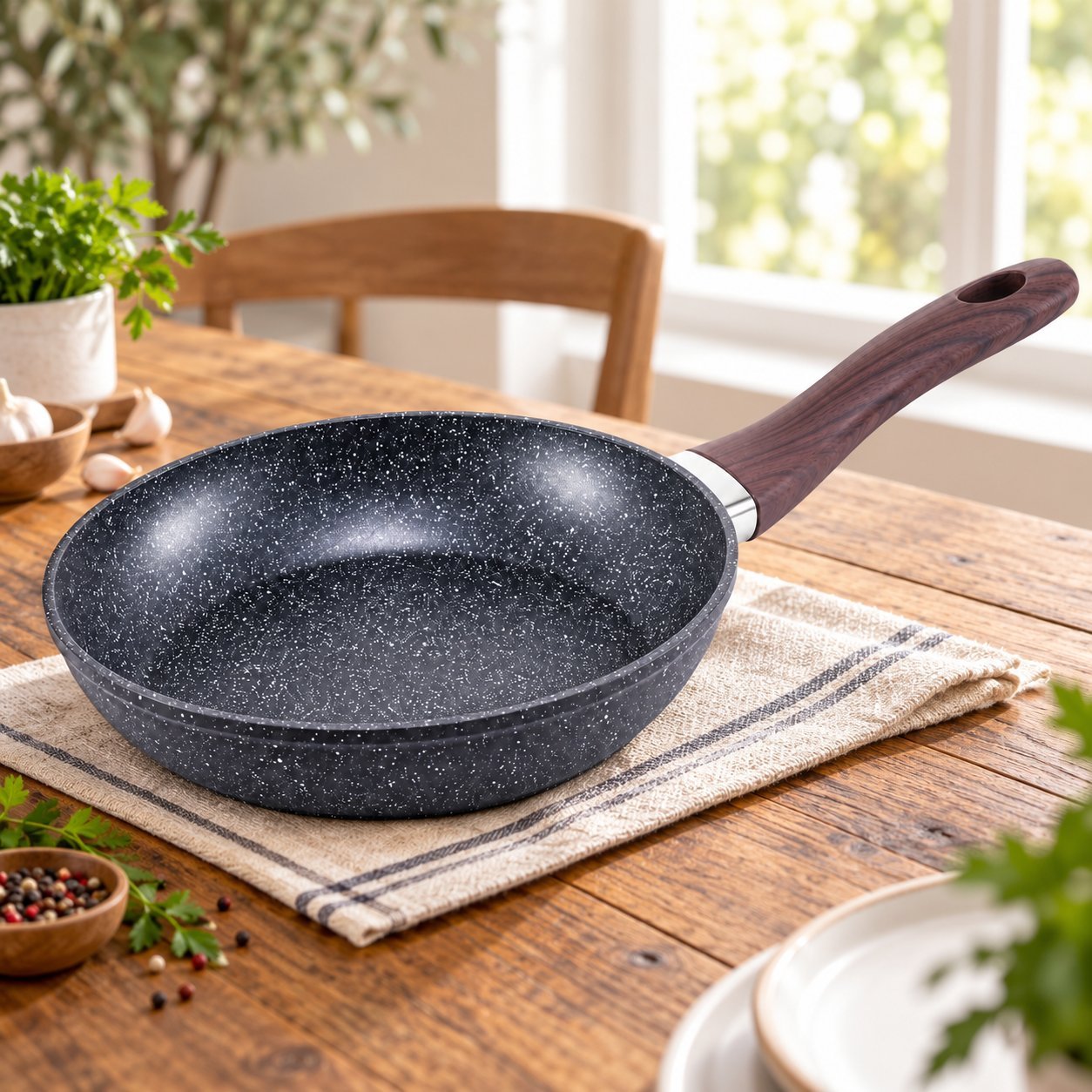
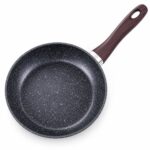
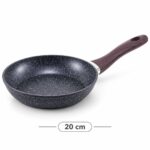
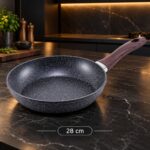
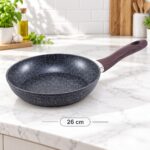
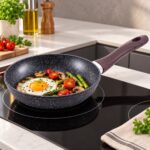
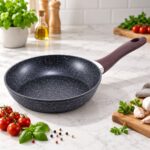
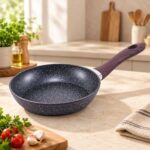
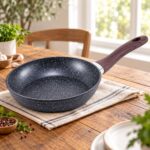
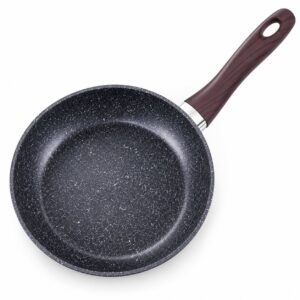
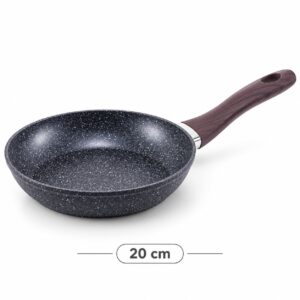
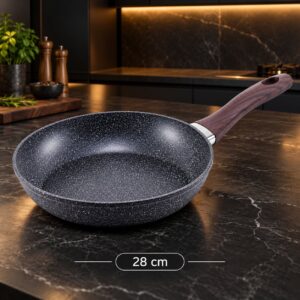
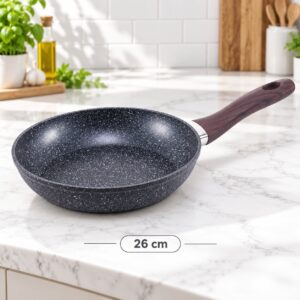
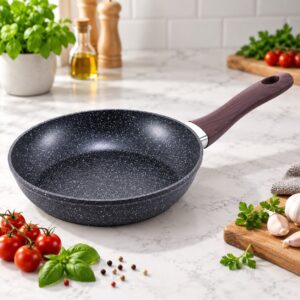
This non stick frying pan is die-cast with a dark grey, white-speckled granite-effect cooking surface, gently sloping sides and a long wood-effect handle with a hanging hole. It comes in three sizes, 20cm, 26cm and 28cm, each sold on its own, and it is advertised for gas and induction hobs.
The deep round shape holds a few eggs, a pile of vegetables or a family portion of chicken without spilling over, and the non-stick surface means food slides off with little oil. A comfortable, well-balanced non stick frying pan is the pan most cooks reach for every day, and having three sizes to choose from means you can match it to your hob and your household.
Key features of the non stick frying pan
- Sizes: 20cm, 26cm and 28cm (one pan per size)
- Construction: die-cast
- Coating: granite-effect non-stick
- Colour: dark grey with white speckles
- Handle: dark brown wood effect with a hanging hole
- Hobs: gas and induction (as advertised)
Choosing a size
The 20cm pan is right for one or two eggs, a single omelette, toasting spices or a quick sauce. The 26cm pan is the everyday size for a family breakfast, stir-fried vegetables or pan-fried fish. The 28cm pan gives the most room for several chicken breasts, a batch of pancakes or a frittata for four.
Many kitchens keep two: a small pan for eggs and a larger one for everything else.
Cooking with less oil
Heat the pan over a medium flame with a little oil or butter before adding food; die-cast pans heat quickly, so high heat is rarely needed and it is kinder to the coating. Eggs, pancakes and fish release cleanly, and there is far less scrubbing afterwards.
Use wooden or silicone utensils and avoid sharp metal tools, which can scratch the surface. On induction, centre the pan on the ring and turn the power down a little from what a steel pan would need.
Looking after the coating
Let the pan cool before washing it, then clean it by hand with a soft sponge and warm soapy water, as the listing recommends. Avoid abrasive cleaners and scourers, and never heat the pan empty for long.
Hang it from the hole in the handle or store it with a cloth inside if it is stacked with other pans. A non stick frying pan cared for this way keeps its easy release for much longer.
Everyday dishes
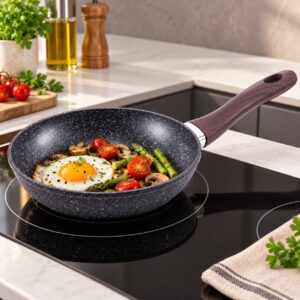
Fried eggs and omelettes, pancakes and French toast, sautéed potatoes, stir-fried vegetables, chicken thighs, salmon fillets, halloumi and paneer all cook well in it, and the deep sides help when you are tossing vegetables or making a quick pan sauce.
For a perfect omelette, warm a knob of butter in the 20cm or 26cm pan over a medium heat, pour in beaten eggs, stir gently for a few seconds, then let them set, add a filling and fold. A good non stick frying pan makes this easy, because the eggs slide out in one piece.
Why die-cast
Die-cast pans are formed in a mould, which gives a thicker, more even body than a thin pressed pan. That helps the base sit flat and spreads heat more evenly, so pancakes brown across the whole surface instead of only in the middle. It is one reason a die-cast non stick frying pan is a popular everyday pan.
The granite-effect coating gives the pan its speckled stone look; the long wood-effect handle stays comfortable in the hand, and the hanging hole lets you keep the pan on a rail near the hob.
Breakfast to dinner
A frying pan is the most-used pan in most kitchens. In the morning it fries eggs, sausages, mushrooms and tomatoes or makes a stack of pancakes; at lunch it warms tortillas, toasts sandwiches or makes a quick paneer or halloumi wrap filling; in the evening it sears chicken, fries fish, sautés vegetables or makes a quick pasta sauce.
Because it comes in three sizes, you can pick the non stick frying pan that matches how many people you cook for, or choose two sizes to cook a main and a side together.
Signs of a well-used pan
Over time any non-stick coating wears, especially if a pan is overheated or cleaned with abrasives. Low to medium heat, soft utensils and gentle hand washing are what keep the surface smooth. If food starts to stick in one spot, a little oil helps, and switching to a wooden spatula stops further marks.
Gas or induction
The pan is advertised for both gas and induction hobs, which makes it a safe choice if you are planning to change cooker or if you cook on different hobs at home and on holiday. On gas, adjust the flame so it stays under the base rather than climbing up the sides towards the handle. On induction, choose a ring close to the size of the pan; the 20cm pan suits a small ring and the 28cm pan a large one.
Whichever hob you use, let the non stick frying pan heat for a minute before adding food, and turn the heat down rather than up if oil starts to smoke. Most frying, from eggs to chicken, is done best at a steady medium heat.
At a glance
- Sizes 20cm, 26cm and 28cm
- Die-cast body
- Granite-effect non-stick coating
- Wood-effect handle with hanging hole
- Gas and induction (as advertised)
- Sold one pan per size
Non Stick Frying Pan questions
What sizes are there? 20cm, 26cm and 28cm. Each pan is sold individually.
Does it work on induction? It is advertised as suitable for gas and induction hobs.
What should I clean it with? A soft sponge and warm soapy water. Avoid abrasive cleaners.
What utensils can I use? Wooden, silicone or other non-scratch utensils.
Can I store it hanging? Yes, the handle has a hanging hole.
How many pans do I get? One non stick frying pan in the size you select.
What colour is it? A dark grey cooking surface with white speckles and a dark brown wood-effect handle.
Looking for more like this frying pan? Browse the full Non-Stick Pots collection or the rest of the Kitchen Utensils shop. To learn more, see this overview of frying pans.




Reviews
There are no reviews yet.