


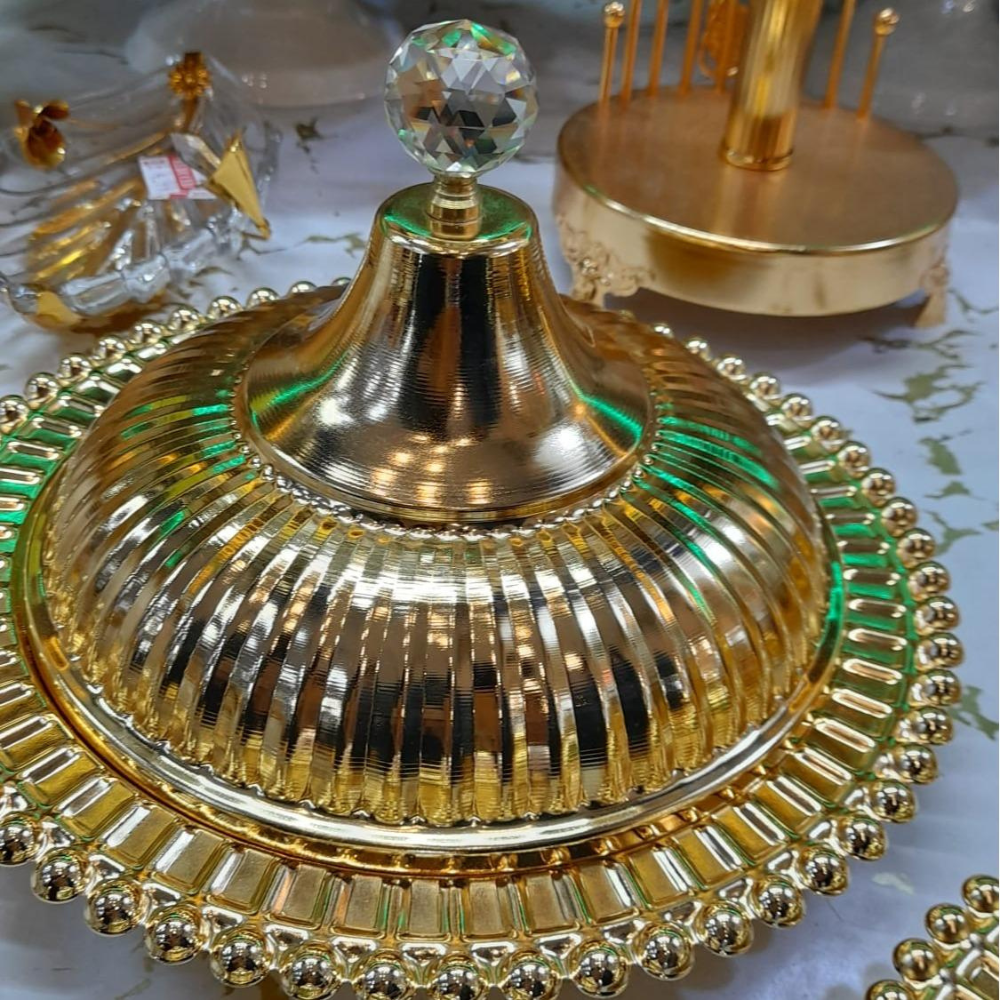
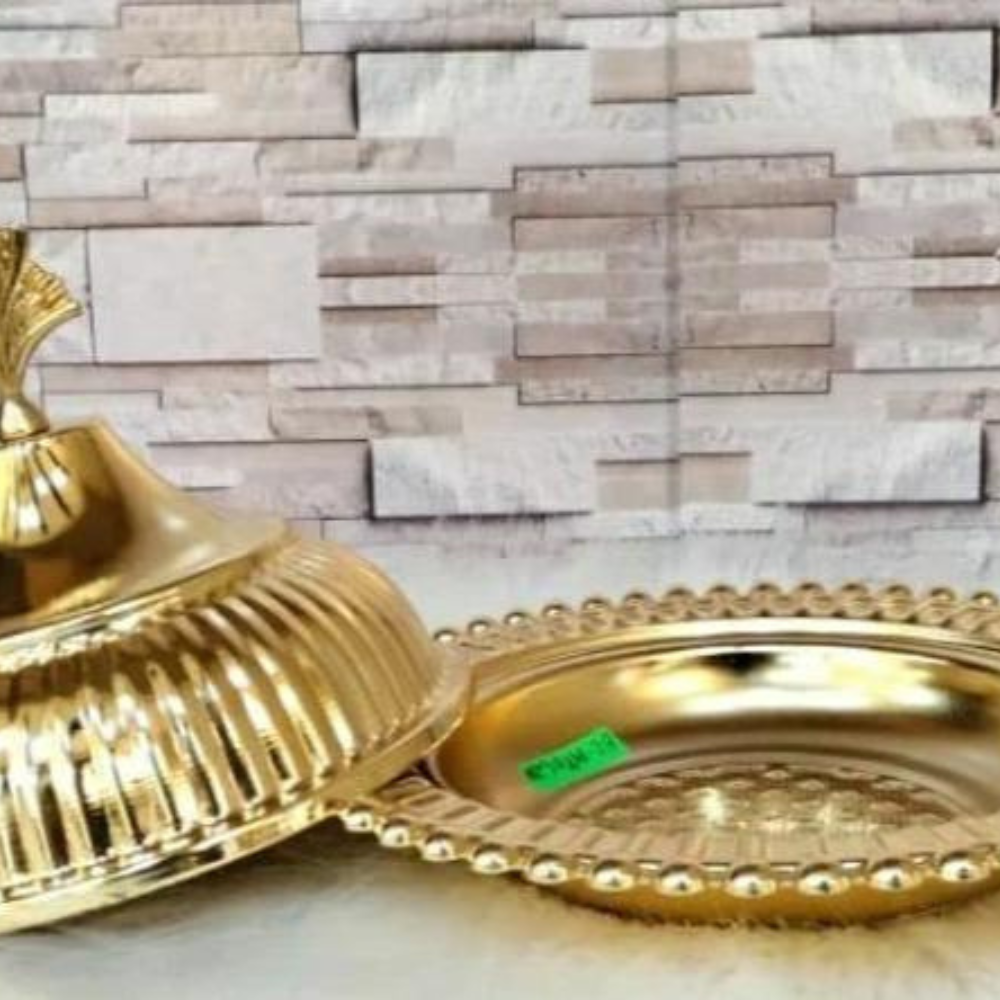
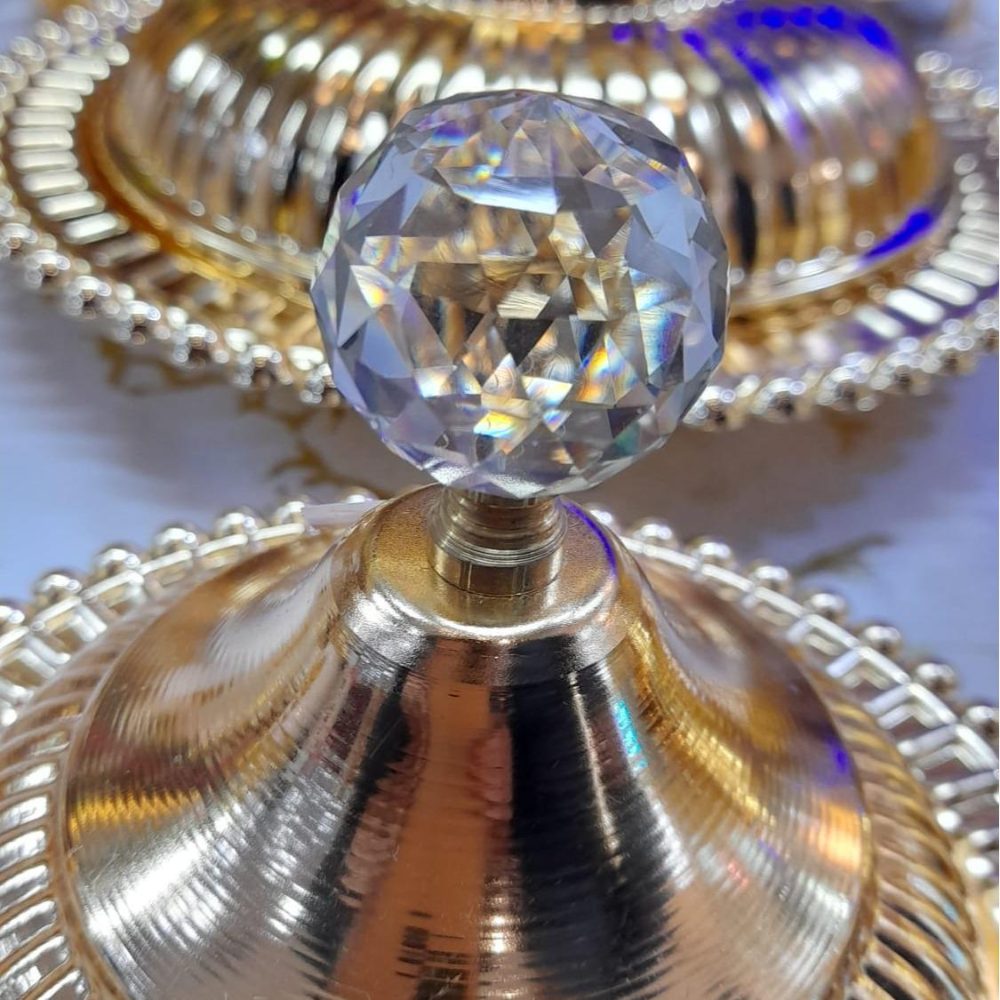
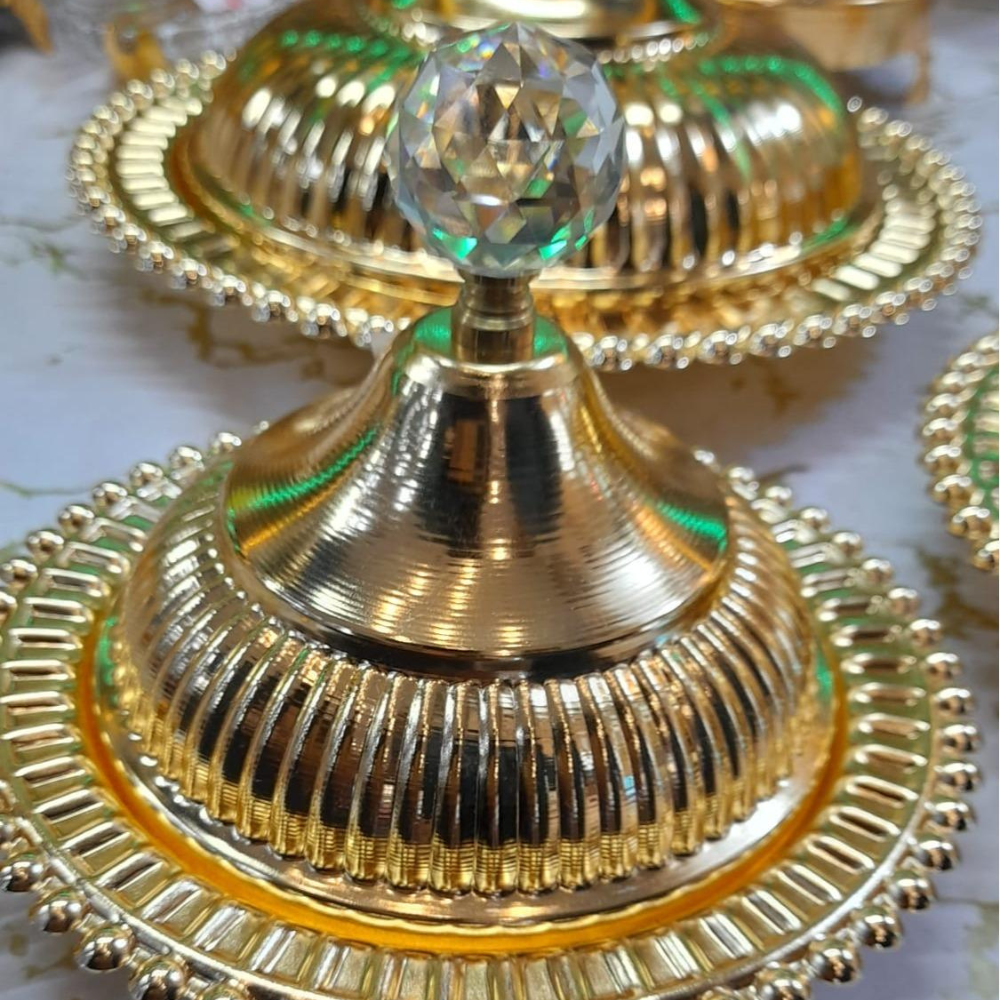
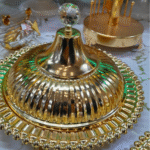
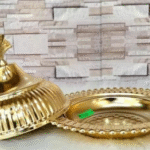
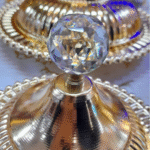
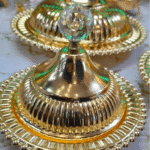
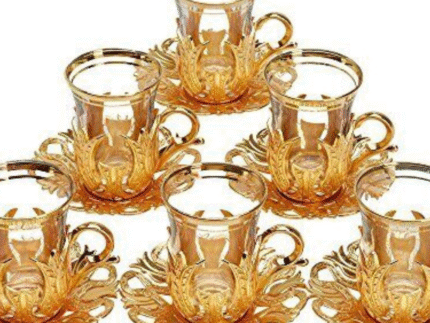
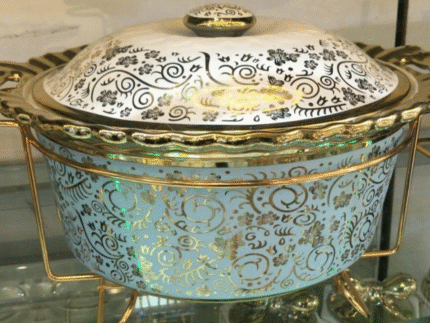
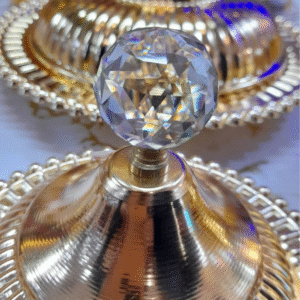
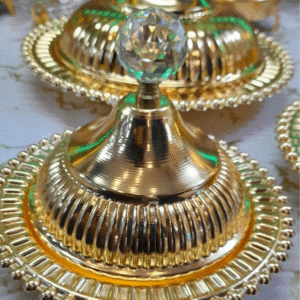
These moroccan serving dishes are a set of 3 buffet chafing dishes constructed from premium food-grade stainless steel. Each comes with a fuel rack, water tray and hook frame, which together are what allow catering food warmers to hold temperature over a long service.
Table of Contents
Stainless Steel: Our buffet chafing dishes are constructed from premium food-grade stainless steel and come with a fuel rack, water tray, and hook frame.
Maintain the Temperature: By adding hot water to the water pan and lighting the fondue fuel can, the caterer food warmers can maintain the temperature.
Hanging hook frame: When dining, you may hang the stainless steel chafing dish with hook-up cover from the hook.
Simple to Clean: Hand wash in hot water and make sure to rinse well after cleaning this Catering Buffet Warming Container Set. Steel wool is not recommended for this purpose. After washing, dry right away.
Popular Uses: Buffets, party receptions, catering, hotel breakfast rooms, lunches, and buffet servers and warmers set are all excellent uses for this set.
Why Choose This Moroccan serving dishes
The working principle of these moroccan serving dishes is indirect heat. Hot water goes in the water pan and the fondue fuel can is lit beneath it, so the food sits above gently heated water rather than over a flame. That is what maintains temperature across a long buffet without cooking the food further or scorching whatever is against the base.
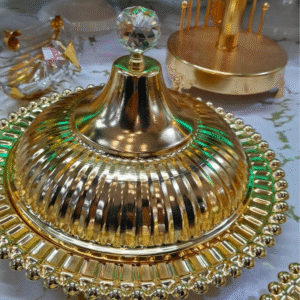
Moroccan serving dishes: Materials, Sizes and Features
Premium food-grade stainless steel is specified for these moroccan serving dishes for good reason. It resists the corrosion that salt, acid and constant moisture would cause in a lesser metal, it does not taint food, and it takes the repeated heating and washing of catering use. Coming as a set of 3 lets you hold several dishes at once, which is what a buffet actually requires.
Caring for Your Moroccan serving dishes
Caring for moroccan serving dishes is straightforward if they are emptied promptly. Let them cool before dismantling, empty the water pan rather than leaving it standing, and wash and dry each part separately. Stainless steel keeps its finish well, but drying immediately avoids water spotting, and storing the parts unassembled prevents moisture being trapped between them. Checking the fuel rack and frame for damage before each event is worth the minute it takes, since a wobbling chafer full of hot water is a genuine hazard at a busy buffet.
Setting Up Moroccan Serving Dishes
Setting up moroccan serving dishes correctly takes a few minutes and makes the difference between food held properly and food that dries out. Fill the water pan before lighting the fuel, never after, and never run a chafer dry, as direct flame on an empty pan will damage it. Light the fuel around twenty minutes before serving so the water is genuinely hot when the food goes in. Food should be hot when it is placed in the dish, since a chafer is designed to hold temperature rather than to reheat.
Running a Buffet with Moroccan Serving Dishes
Three chafing dishes are enough for the core of a buffet: a rice dish, a main curry or stew and a vegetable or side dish. Set the moroccan serving dishes out in that order along the table, with plates at the start and breads, salads and cutlery after them, so guests serve themselves in one direction without doubling back.
Fill each water pan with hot water from the kettle rather than cold, so it reaches temperature faster, and check the level during a long event, topping up with more hot water if it runs low. Keep the covers closed between guests and hang them on the frame hooks while serving, so they are out of the way and not resting on the tablecloth. Give each dish its own serving spoon, and label it with a small card naming the food and any nuts or other allergens, which saves the host answering the same question all evening. A heat-resistant mat or a thick folded cloth under each frame protects the table.
The same three dishes suit a hotel breakfast or a brunch, with scrambled eggs, beans and sausages, or halwa, chana and puri, and they work for Eid dinners, weddings and mehndi nights at home, where a large family meal is served buffet-style.
Food Safety and Fuel
The Food Standards Agency advises keeping hot food at 63°C or above. Chafers hold food hot; they do not reheat it, so fill them with food straight from the stove, and replace a dish that has been out for a long time with a fresh batch rather than topping it up.
Use fuel cans made for chafing dishes, place them only in the fuel rack, and keep napkins, paper decorations and menus well away from the flame. Never move a chafer while the fuel is lit or the water is hot. Put a fuel can out with its own lid or snuffer, never by blowing on it or pouring water on it, and let everything cool before packing away. Before a big event, do a test run: assemble the frames, add water and light one can to check the timing and that everything sits level.
Afterwards, wash the moroccan serving dishes, water trays and covers in hot water as the care notes advise, without steel wool, and dry them straight away so the steel stays bright.
Moroccan serving dishes: Frequently Asked Questions
How many dishes are included?
This is a set of 3 buffet chafing dishes with a cover.
What is included with each dish?
Each comes with a fuel rack, water tray and hook frame.
How do they keep food warm?
Hot water goes in the water pan and the fuel can is lit beneath, holding temperature with indirect heat.
What are they made from?
They are constructed from premium food-grade stainless steel.
More Moroccan serving dishes Options
See the full serving trays range, or browse all dining and serving products. For guidance on safe hot-holding temperatures when serving food to groups, see the Food Standards Agency business guidance.



Reviews
There are no reviews yet.